How understanding quality can lead to increased productivity
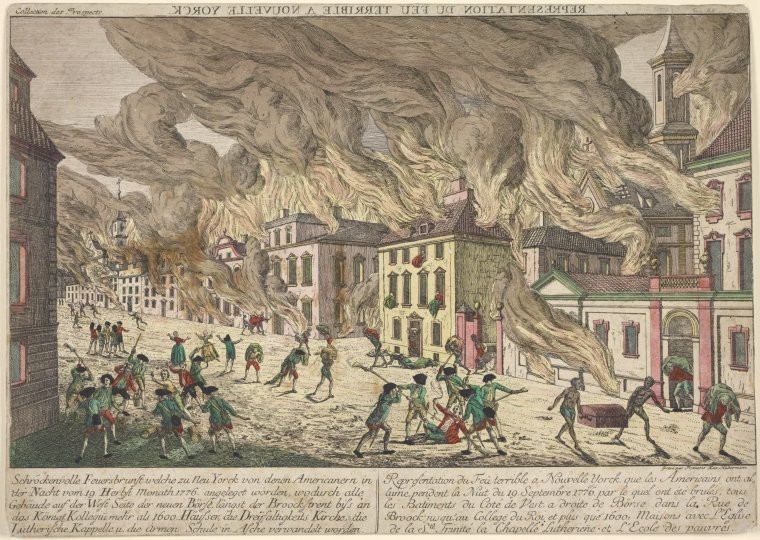
In 1733, Benjamin Franklin described in the Pennsylvania Gazette how fires were currently being put out (there was no fire brigade at that time):
“Soon after a fire is seen and cry’d out, the place is crowded by active men of different ages, professions and titles who, as of one mind and rank, apply themselves with all vigilance and resolution, according to their abilities, to the hard work of conquering the increasing fire”
Franklin concluded that, heroic acts and amateur firefighters were simply not enough to prevent lots of loss of life and injuries from fire.
A little later Franklin coined this famous phrase for the first time in relation to this issue –
“An Ounce of Prevention is worth a Pound of Cure”
This is as true today, as it was then for fire protection.
What has this got to do with Productivity?
Your Operations probably don’t deal with physical fires, but when things don’t work perfectly, it creates a cost for the delivery organisation and has a negative impact on the customer.
The costs include;
Rework (to make it right), failure demand, duplication of activity, customer bad will leading to lost sales, frustration with service staff and low employee engagement – cumulatively this adds up to a lot of money – it costs a lot of Benjamin’s!

These costs are “Poor Quality Costs” (PQC’s) – lots of research shows that this can cost an organisation over 10% of its turnover.
These costs are “bad” costs – generating no value to the customer or the organisation, any efficiency programme should focus on these costs.
What is particularly interesting is that these costs are rarely brought together and described in this way – they are hidden costs, hence why they haven’t been tackled and resolved previously.
John Akers – former chairman of IBM commented:
“When we analysed what we was spending on quality – the cost to make things right, as well as the cost to fix and rework things that weren’t right, we were surprised and disturbed”
In an age where organisations need to reduce costs, deliver services to ever more demanding customers and increase efficiency – investing in the prevention of poor quality is an essential activity.
Poor quality costs an organisation money…Good quality saves an organisation money
So what does this mean?
Well back to Benjamin Franklin, again:
“An Ounce of Prevention is worth a Pound of Cure”
First of all, an organisation needs to know what its “Poor Quality Costs” are– it varies industry to industry, organisation to organisation.
Understanding this helps to:
Get managers attention – talking in pounds and pence makes quality relevant to the bottom line.
Change the way employees think about errors – employees should understand the impact of the errors that they make
In the UK, the cost of a supermarket “losing” a single customer is approximately £5000 in revenue or £200 in profits every year.
Knowing this should radically change the perspective of how supermarket operations think about; customer service, training, recruitment, staffing etc.
Understand the value of corrective action – if you know the cost of getting it wrong, you can find the value in doing it right.
For example the Boston Children’s Hospital in the US identified the cost of asthma, and developed a programme that sends community health workers into patients’ homes to reduce the environmental triggers of asthma – for every $1 it invests it saves $1.46 in healthcare costs (and significantly reduces admissions to Hospital).
However it is important to note that there is not a simple relationship between prevention and money saved – not all prevention activity pays for itself – therefore organisations need to test and learn what works and what doesn’t.
Secondly, armed with this information organisations can identify, test and make choices about what (ounce of) preventative activities they wish to pursue.
Examples include:
Better L&D – for front line colleagues to ensure they know what they are doing, how to do it and why they are doing it.
Providing autonomy to front line staff to make better decisions and get things right first time
Valuing and incentivising the right activity and behaviours – call handle time targets that reward short calls – risk driving perverse behaviours and a cost of poor quality beyond the original time saved.
Encouraging ideas – Colleagues want to deliver a good service, they know what works and what doesn’t. Therefore organisations should encourage idea generation (and adoption!) from colleagues and customers.
KYC – Know Your Customers, this includes voice of the customer, but goes beyond that it involves truly understanding what the customer wants to achieve and what their challenges are – delivering services that meets customers’ needs saves money both in the private sector the public sector.
Ultimately understanding your “Quality costs” will help you make better choices about how you deliver your Operations, allow you to identify cost saving opportunities and overall increase productivity.
Finally another quote from Benjamin Franklin:
“A Penny Saved is a Penny Earned”
 ProductivityLab